

best sellers


Sale!
Original price was: $28.00.$14.00Current price is: $14.00.
Sale!
Original price was: $28.00.$10.00Current price is: $10.00.
Sale!
Original price was: $14.00.$7.00Current price is: $7.00.
Sale!
Original price was: $28.00.$14.00Current price is: $14.00.
top collections


what’s new
Sale!
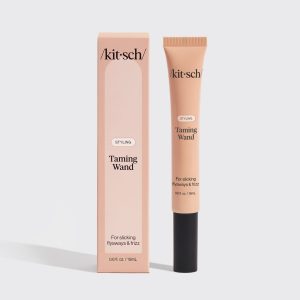
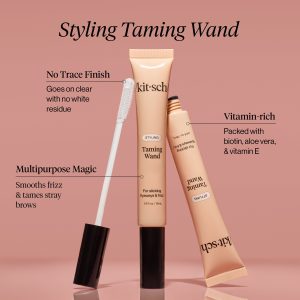
Original price was: $12.00.$6.00Current price is: $6.00.
Sale!
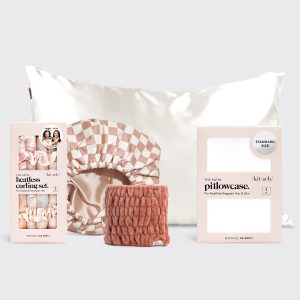
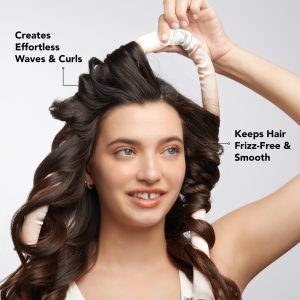
Original price was: $66.00.$23.10Current price is: $23.10.
Sale!
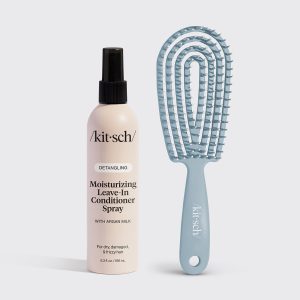
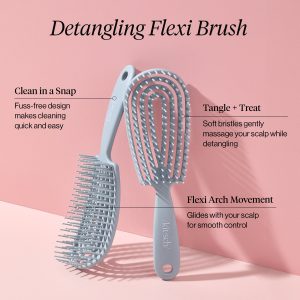
Original price was: $30.00.$10.50Current price is: $10.50.
Sale!
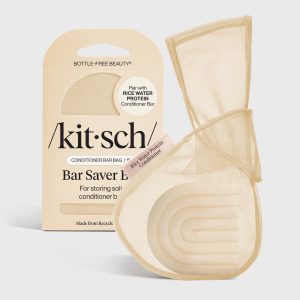
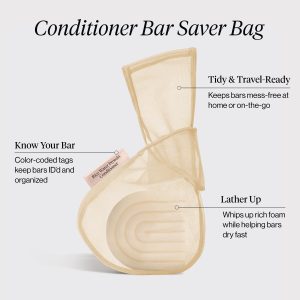
Original price was: $5.00.$2.50Current price is: $2.50.
WE’VE ALWAYS BEEN OBSESSED WITH OUR CUSTOMERS & WE THINK
The Feeling Is Mutual


Our Story
Founded by Wisconsin native Cassandra Thurswell at the age of 25, Kitsch is a global beauty powerhouse built on positivity and pure hard work. The brand supports its growing community with easy, elevated beauty solutions that are totally reliable, truly special, and made as sustainably as possible. Beginning in 2010 with a business plan no longer than a paragraph, Kitsch now supplies a full range of beauty favorites in over 20,000 retail locations worldwide. A prominent entrepreneur featured in Forbes and Inc., Cassandra continues to create elevated, sustainable beauty solutions for every moment of the day.
Tailoring Products to Texture
Title: Texture Talk: Curating the Perfect Product Lineup for Your Hair Type
Hair is as unique as a fingerprint. What works miraculously for your friend might be disastrous for you. This disparity usually comes down to hair texture and type. The classification of hair goes beyond simply “straight” or “curly”; it involves understanding density, porosity, and strand thickness. Choosing products tailored to these specific characteristics is the difference between a good hair day and a bad one.
Fine and Thin Hair: The Quest for Volume For those with fine strands, the primary challenge is usually a lack of volume and a tendency for the hair to get greasy quickly. Heavy creams and thick oils are the enemies here, as they will weigh the hair down, making it look flat and lifeless. The ideal regimen for fine hair involves lightweight, clear formulas. Volumizing shampoos that swell the hair cuticle can create the illusion of density. When it comes to styling, mousses and texturizing sprays are preferable to heavy gels or waxes. Dry shampoo is also a staple product for this hair type, not just for cleaning, but for adding grit and lift at the roots.
Thick and Coarse Hair: Taming and Smoothing On the opposite end of the spectrum is thick, coarse hair. This texture often struggles with dryness and frizz, as the natural oils from the scalp have a harder time traveling down the wider hair shaft. Here, richness is key. Cream-based cleansers and heavy conditioners are necessary to soften the wire-like texture. Styling products should focus on smoothing and control; serums, heavy creams, and balms are excellent for locking down the cuticle and preventing the hair from expanding in humid weather. Leave-in treatments should be dense and highly moisturizing.
Curly and Coily Hair: Moisture and Definition Curly and coily hair types have a spiral structure that inherently blocks moisture from reaching the ends. As a result, these textures are naturally drier and more fragile. The “curly girl” method often suggests avoiding traditional shampoos entirely in favor of “co-washing” (washing with conditioner) to preserve moisture. When products are used, they should be free of drying alcohols and sulfates. Styling requires products that provide hold without crunchiness. Curl defining creams, gels, and custards applied to soaking wet hair help to clump curls together and minimize frizz. Deep conditioning is not an option but a necessity for this hair type to maintain elasticity and bounce.
The Scalp Variable: Oily vs. Dry Regardless of the hair on your head, the skin on your scalp dictates your washing routine. An oily scalp combined with dry ends is a common dilemma. The solution lies in “balancing” products. A scalp scrub or a shampoo containing salicylic acid can help regulate oil production and exfoliate the scalp, while masks and oils should be applied strictly to the lengths and ends of the hair. Conversely, a dry, itchy scalp requires soothing ingredients like tea tree oil, peppermint, or oat milk found in specialized scalp serums and tonics.
Embracing Individuality Ultimately, categorizing hair is just a starting point. You might have fine hair but a lot of it (high density), or coarse hair that is sparse. You might have curly roots and straight ends due to damage. The best approach is to treat your hair care collection as a wardrobe; you need basics, but you also need specific items for specific conditions. By respecting your natural texture and feeding it what it lacks, you transform the daily struggle of styling into an act of self-care that highlights your unique beauty.